Specialized Deep-Tech AI
Six frontier disciplines. Eight critical sectors. One practice built for problems that have no standard solution.

MCP Advanced
Connected intelligence. Composable by design.
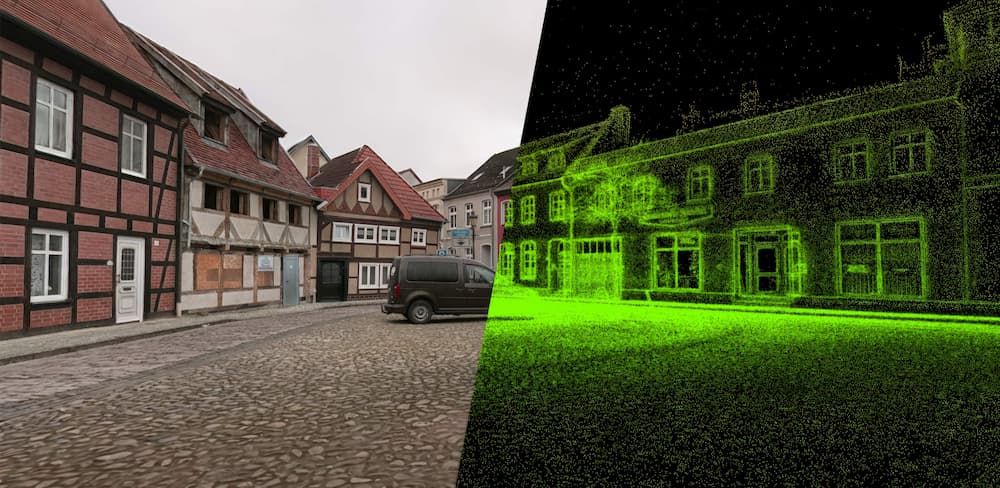
Multi-Sensor Fusion
One coherent picture. Many imperfect sources.
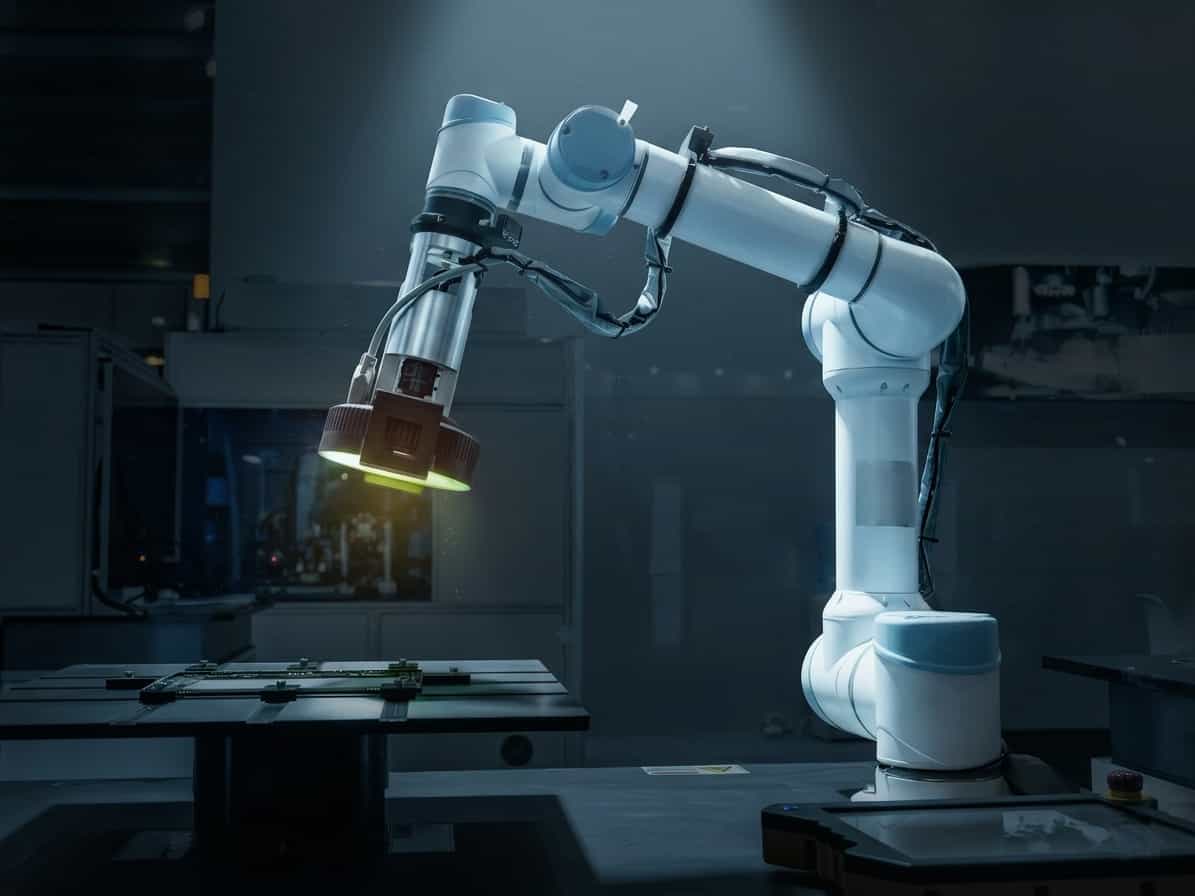
Physical AI
Robotics that acts in the world.
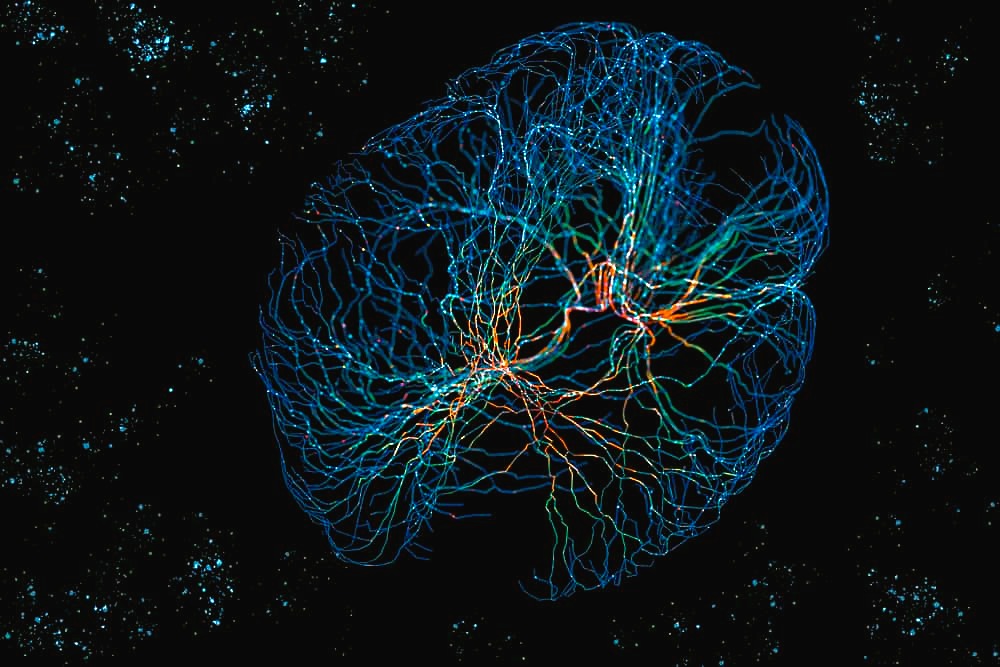
Neuro-Symbolic
Neural patterns. Symbolic reasoning.

Swarm Intelligence
Thousands of agents. One capable system.
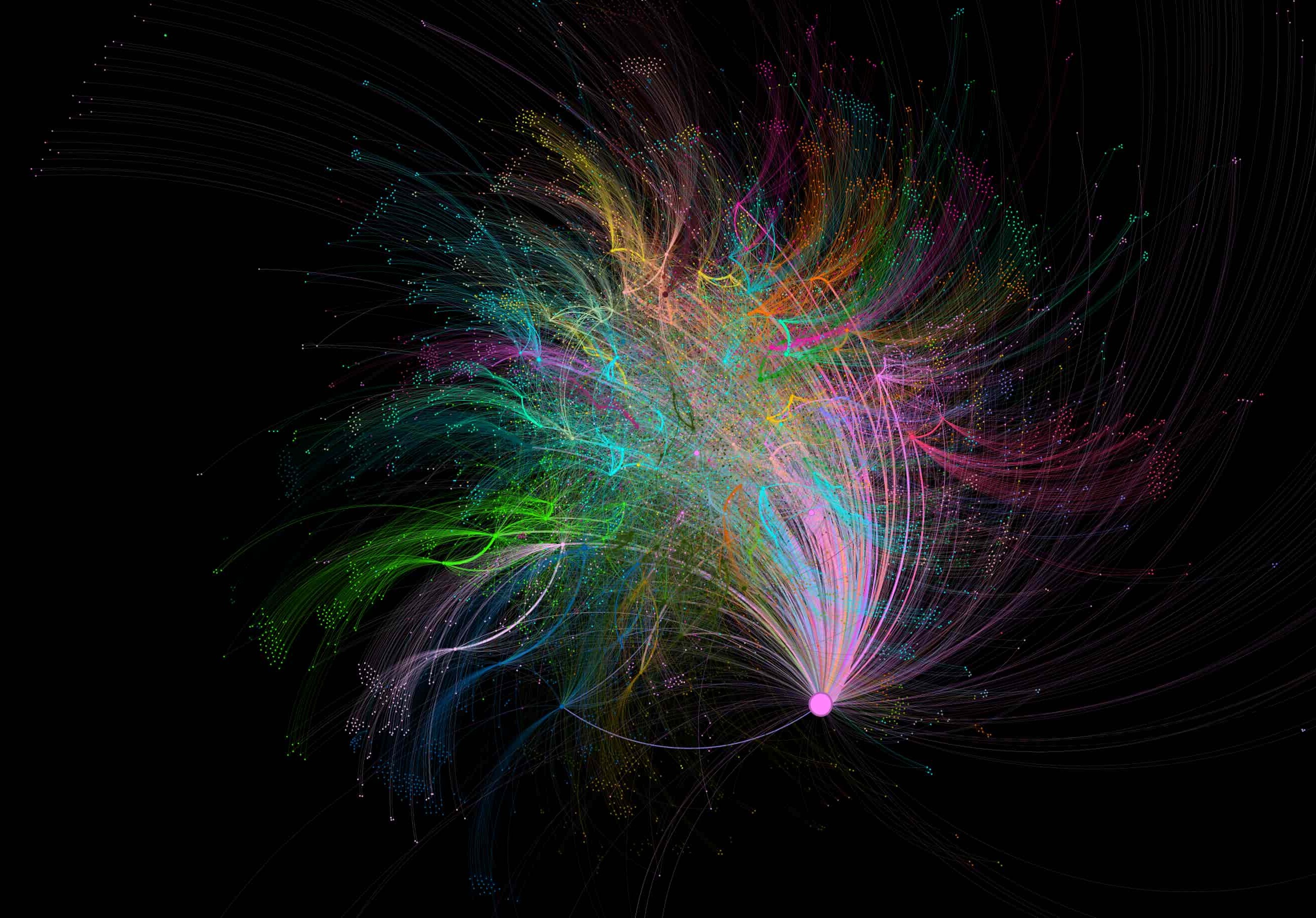
Ontology
Retrieval that understands relationships.
Physics-Native AI for Industry 4.0
The first three industrial revolutions were driven by a single force: steam, electricity, then electronics. Industry 4.0 breaks that pattern. It fuses cyber-physical systems, real-time data, and machine intelligence into one operational fabric, collapsing the boundary between digital and physical. The shift is not just automation. It is the beginning of replacing operational judgement, reshaping how enterprises and industrial sectors make decisions at every level. That trajectory points toward Industry 5.0, expanding the goal to human-centric, resilient systems with Physics-Native AI as the bridge.
Enterprise AI and industrial AI are converging, and the organisations that understand both are pulling ahead. At the enterprise level, the challenge is embedding intelligence into the decisions, workflows, and governance structures that run the business. At the operational level, it is ensuring that AI models respect the physical laws, process constraints, and failure dynamics of the environment they operate in. Generic platforms address neither well. A model trained on enterprise data alone cannot reason about why a compressor degrades under load. A model trained only on sensor streams cannot navigate procurement, workforce, or regulatory complexity. The gap between these two worlds is where most AI programmes stall.
We close that gap by working across both layers simultaneously. Our teams bring operational depth in Oil and Gas, Clinical Medicine, Heavy Engineering, Government Infrastructure, and Financial Services, combined with the architectural rigour to connect shop-floor intelligence to board-level decisions. We embed physical constraints where the process demands them and design enterprise-wide AI systems that are governed, auditable, and built to scale beyond the pilot stage into the full operational lifecycle.

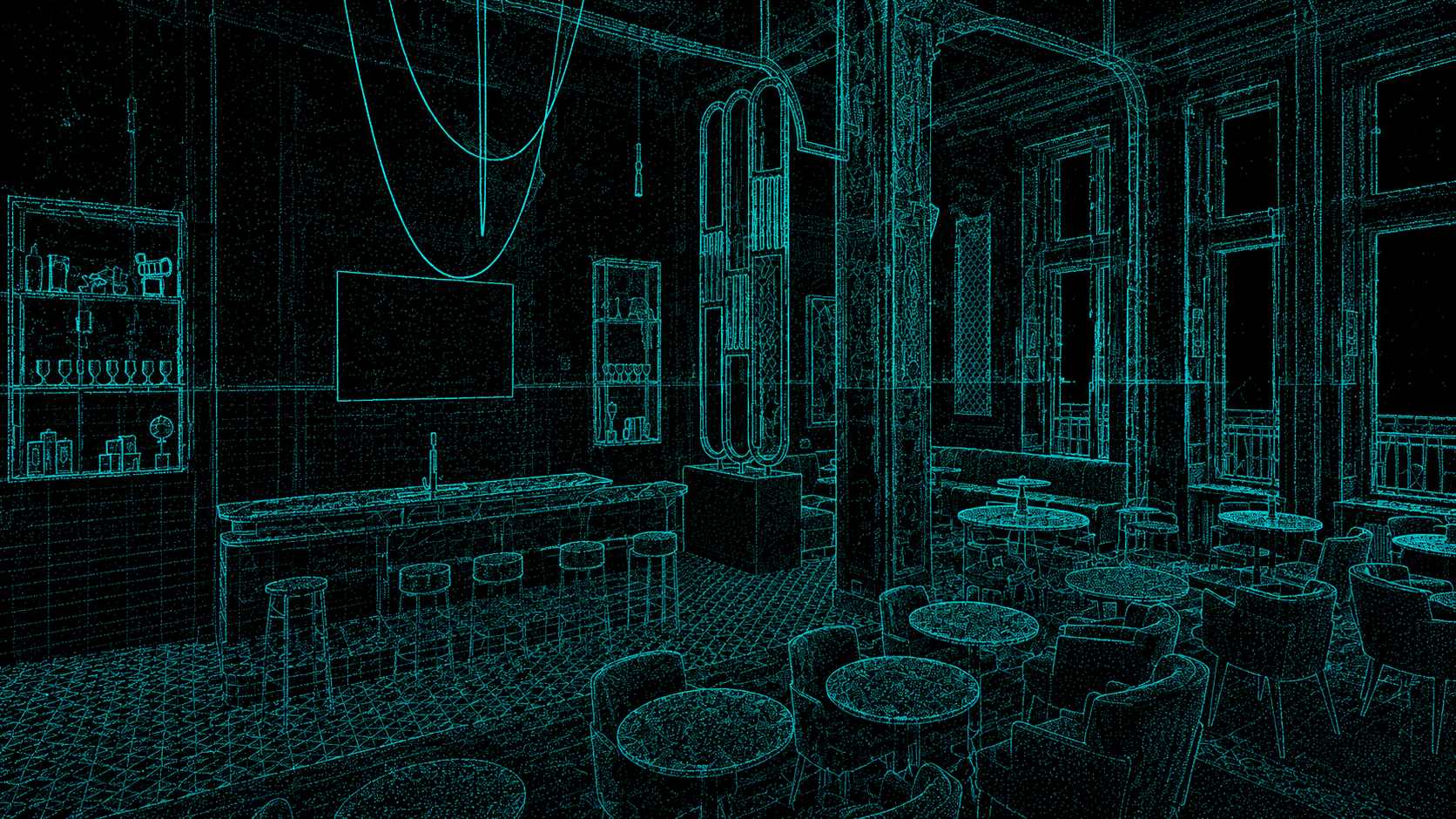
We Push AI to its Limits
There is a version of AI that is widely available, rapidly commoditizing, and increasingly well understood. And then there is the version that lives at the frontier, in the domains that require years of specialized research, deep engineering discipline, and the ability to operate without a roadmap. That is where our deep tech AI practice exists. Not adjacent to the frontier. At it.
Our work spans six highly specialized disciplines: Physical AI, Multi-Sensor Fusion, Ontology Graph RAG, Neuro-Symbolic AI, Swarm Intelligence, and MCP Advanced. Each one is a serious field of study and practice on its own. Together, they form a unified capability stack that allows us to approach problem classes that no single-discipline team can touch. This is not a collection of service offerings. It is an architecture of expertise, built deliberately, over time, by people who have worked at the hardest edges of each domain.
We apply this capability across eight sectors where the stakes are highest and the tolerance for failure is lowest: Oil and Gas, Legal AI, Medical and Clinical AI, EdTech AI, Enterprise AI Transformation, Sovereign AI for Government, Financial AI, and Engineering AI. In each sector, our approach is the same: understand the domain at the level of an expert, identify where frontier AI can create genuine leverage, and build systems that hold up in the real world, not just in controlled conditions.
The problems that reach our desk are the ones that have already exhausted simpler options. The environments are contested, degraded, or physically complex. The data is incomplete, noisy, or adversarial. The decisions carry real consequences. And the solutions must be explainable, reliable, and deployable. That is the standard we build to. Every time.
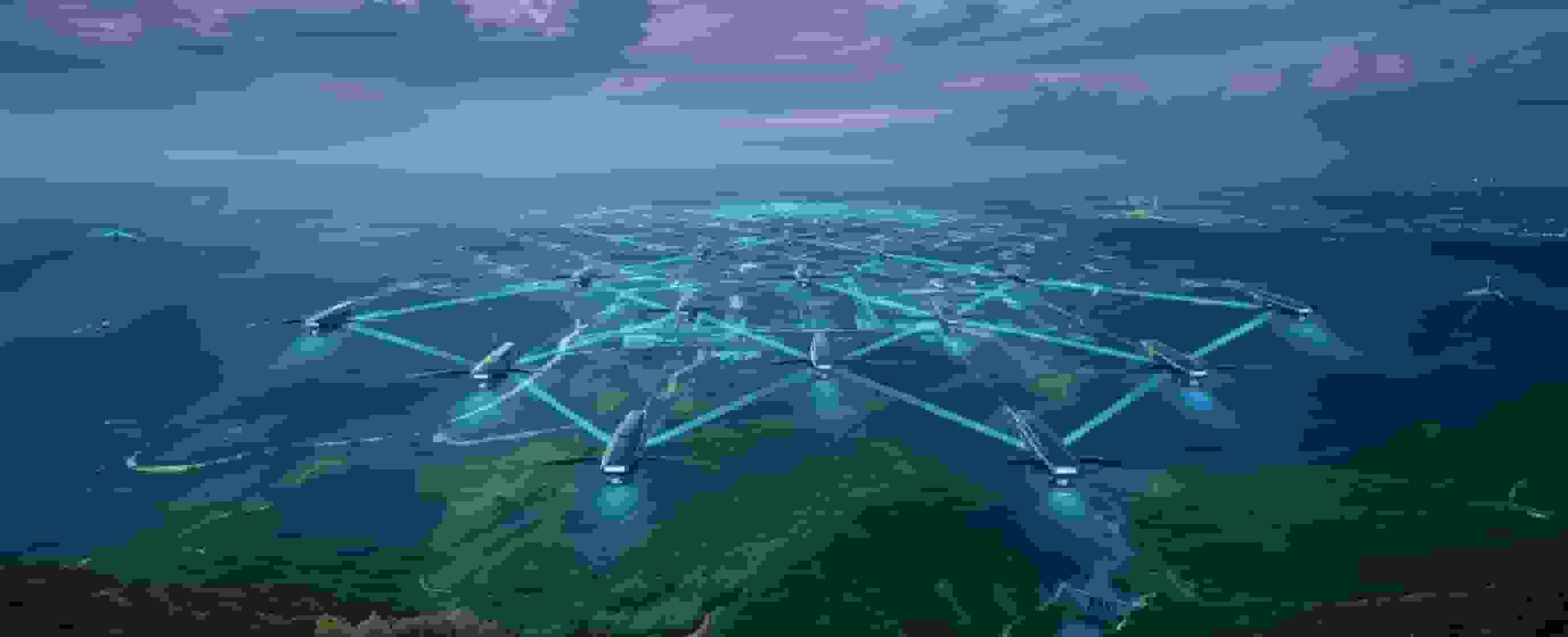
Swarm AI : Decentralized Network Intelligence
Imagine hundreds of small drones moving as a single fluid organism, mapping a disaster site, inspecting a power line, or planting trees with no pilot and no command centre. In this swarm, there is no leader: each drone decides its own actions using only local sensor data and a handful of shared rules, communicating solely with immediate neighbours. The result is a collective intelligence that is extraordinarily resilient: lose one drone and the swarm reshapes itself, add a hundred more and the same algorithm scales without redesign. At its core, a swarm decentralized algorithm acts as digital choreography borrowed from nature, like ants leaving pheromone trails, starlings avoiding collision while flocking, or bees voting on a new nest site. Onboard artificial intelligence, compressed into power‑sipping processors, fuses lidar, camera, and inertial data into a personal snapshot of the world, allowing each drone to navigate, avoid obstacles, and decide which part of a task to take on. Because decisions happen at the edge, the swarm instantly adapts to unexpected events, such as a sudden gust, a new obstacle, or a drone that drops out, maintaining the mission without any human pressing a button.
Swarms are Advanced Statistical-Physics in action. Drones, AI swarms, and Birds all obey the same Deep rules. We've been working on this since 2009.
Under the hood, the decentralized algorithm fuses distributed consensus protocols with lightweight machine learning models to let the swarm negotiate its state and goals without a master. Gossip protocols or distributed ledger techniques synchronize mission parameters across the mesh, while local reinforcement learning policies, trained in high‑fidelity simulators and hardened for reality, dictate low‑level flight behaviours. Each drone becomes a node in a mobile ad‑hoc network exchanging compressed feature vectors rather than raw video, keeping latency low and bandwidth predictable. The real challenge for physical AI systems is making this work amid sensor noise, actuator delays, and intermittent connectivity. To stay safe, the algorithm layers formal guarantees like decentralized model predictive control and control barrier functions that provably keep the swarm within a safe operating envelope, even when communication is sporadic, creating a self‑healing fabric that continuously recomposes its shape and function. At the deep‑tech frontier, swarm intelligence treats the fleet as a single distributed learning entity operating under a decentralized partially observable Markov decision process. Multi‑agent reinforcement learning with attention‑based graph neural networks allows the swarm to learn which neighbours are most relevant, spontaneously forming sub‑swarms and dynamic role assignments with no pre‑scripted logic. To run on physical drones, these policies are compressed using binarized or spiking neural architectures that inference at milliwatt scales, while ultra‑wideband relative ranging and decentralized SLAM deliver centimetre‑level peer‑to‑peer positioning. Secure collaborative improvement is enabled by differential privacy and homomorphic encryption, so a shared behavioural policy can be updated from distributed experience without exposing raw sensor data. The convergence of these technologies turns a drone swarm into a genuine physical AI, an adaptive, self‑optimising collective that learns its own tactics, rewires its communication topology on the fly, and operates with a fluid resilience that begins to mimic biological life.
Depth Is Trust
The vocabulary of deep tech AI is increasingly well known. The actual capability is not. Any team can list the right disciplines on a capabilities page. Any team can name the right sectors. Very few can deliver across five frontier disciplines and eight demanding sectors with genuine technical depth, real deployment experience, and the judgment that comes from having solved hard problems in the real world. That is the distinction we ask you to test.
We do not subcontract the hard parts. We do not apply standard frameworks and call it specialization. We do not build proofs of concept that dissolve under real-world conditions. Our practice has been built by people who have worked at the frontier of each discipline, having hit the walls, found the failure modes, and developed the intuitions that only come from genuine depth.
Our Hallmark
We work across all six disciplines in-house
No integration gaps. No dependency on external partners for core capability. The full stack under one roof with people who understand how the disciplines connect and how to combine them on real problems.
We have genuine sector knowledge
Technical depth without domain knowledge is incomplete. In each of our eight sectors we invest in understanding the operational realities, regulatory constraints, and failure modes before we design anything. Our sector knowledge is not a sales layer. It is an engineering input.
We build for deployment not demonstration
Our standard is not an impressive demo. It is a system that holds up in production, in adverse conditions, under operational load, in the environments our clients actually operate in. Reliability is non-negotiable.
We are selective about what we take on
We work with a small number of partners at any given time. This is not a capacity constraint. It is a quality commitment. Every engagement gets the full attention of our senior technical team.
We prioritize explainability and trustworthiness by design
For Legal AI, Medical AI, Financial AI, and Government AI especially, our systems are built to be auditable, explainable, and trustworthy from the architecture up, not retrofitted with interpretability tools after the fact.
We operate under full confidentiality as standard
All engagements are conducted under NDA. Client problems, data, and system designs are never discussed, referenced, or disclosed. What you bring to us stays with us.