Multi-agent reasoning architecture designed for the structural demands of regulated financial environments: speed at the precision of markets, explainability at the standard of regulators, and sovereignty enforced at the infrastructure level.
Neural Networks might speak English, but they think in shapes.
Neural Networks do math by rotating shapes.
Same calculator handles: Arithmetic, Weekdays & Months.
Financial AI systems frequently falter when handling figures, dates, or arithmetic because LLMs are fundamentally engineered for language processing rather than the continuous, structured logic that mathematics demands. The recent identification of a geometric calculator inside Llama 3.1, which carries out addition by mapping numbers onto rotating circles and computing modular sums, reveals that a model can cultivate an internal numerical reasoning system from text alone. Still, unless a financial application is meticulously designed, it may fail to reliably tap these latent circuits. It can invent interest calculations, misread maturity dates, or treat monetary values as simple tokens to be pattern matched. This failure stems from the fact that numbers and temporal relationships move along a smooth, ordered continuum, a quality that contrasts with the discrete, context-driven patterns of language. A model that has not been adequately aligned or augmented for financial tasks will fall back on its word-level habits, converting what should be precise computations into a source of unpredictable error.
Each property is enforced at the architectural level, not implemented as a feature or added as a post-processing step.
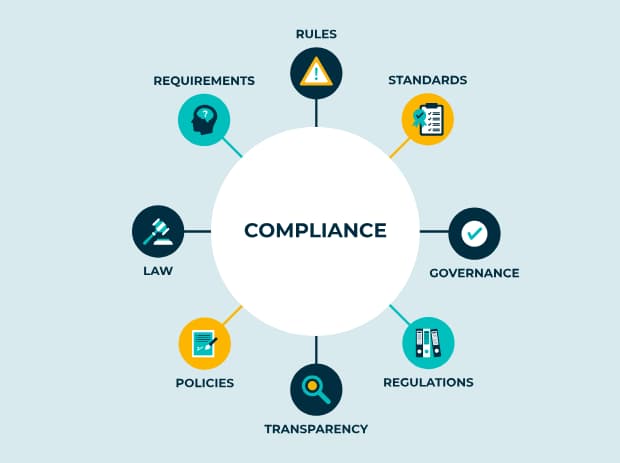
Neural networks handle pattern recognition while symbolic reasoning enforces regulatory frameworks and compliance constraints as hard, unoverridable system properties.
MiFID II / Basel III Encoded
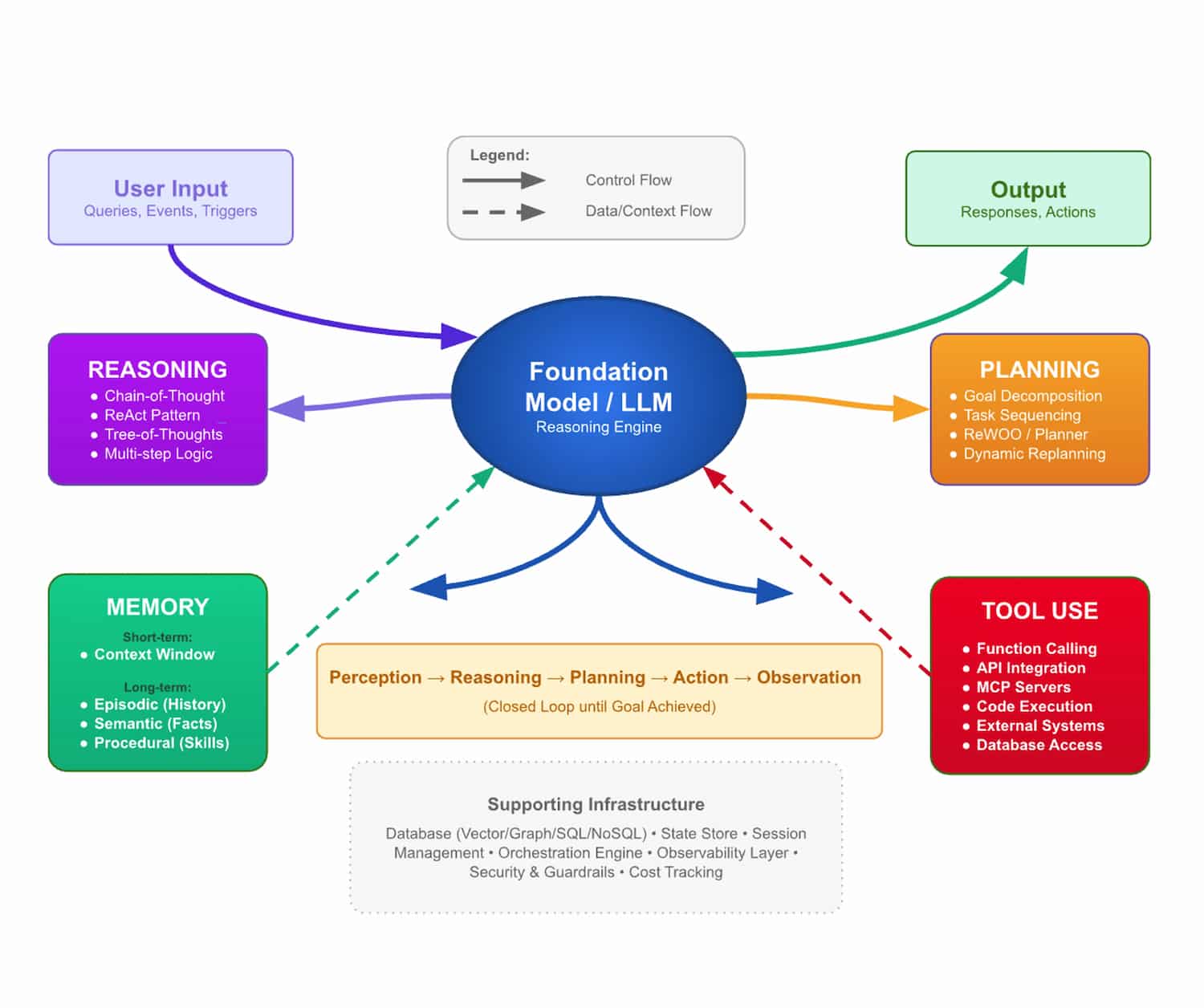
Twelve specialist agents execute in parallel across three coordinated tiers, with a master orchestrator managing dispatch, aggregation, and conflict detection.
12 Parallel Specialists
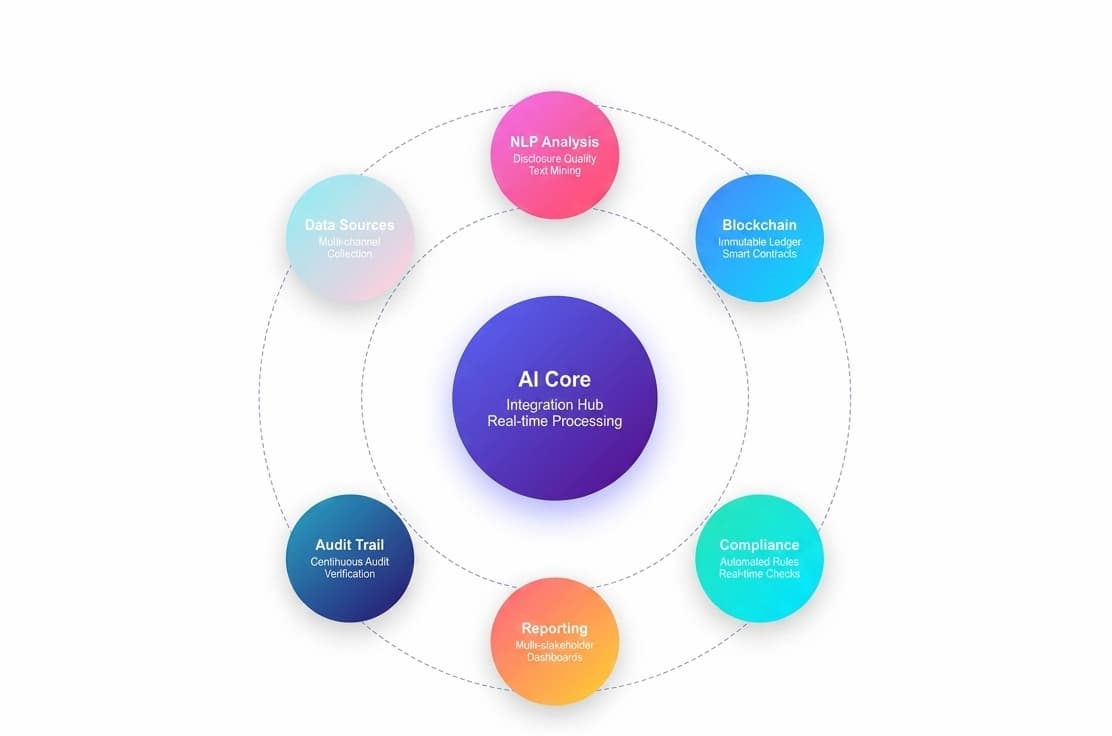
When agents disagree, a Conflict Resolution Council convenes, applies committee-configured voting, documents dissenting positions, and seals the resolution trace cryptographically.
SHA-256 Sealed Audit Trail
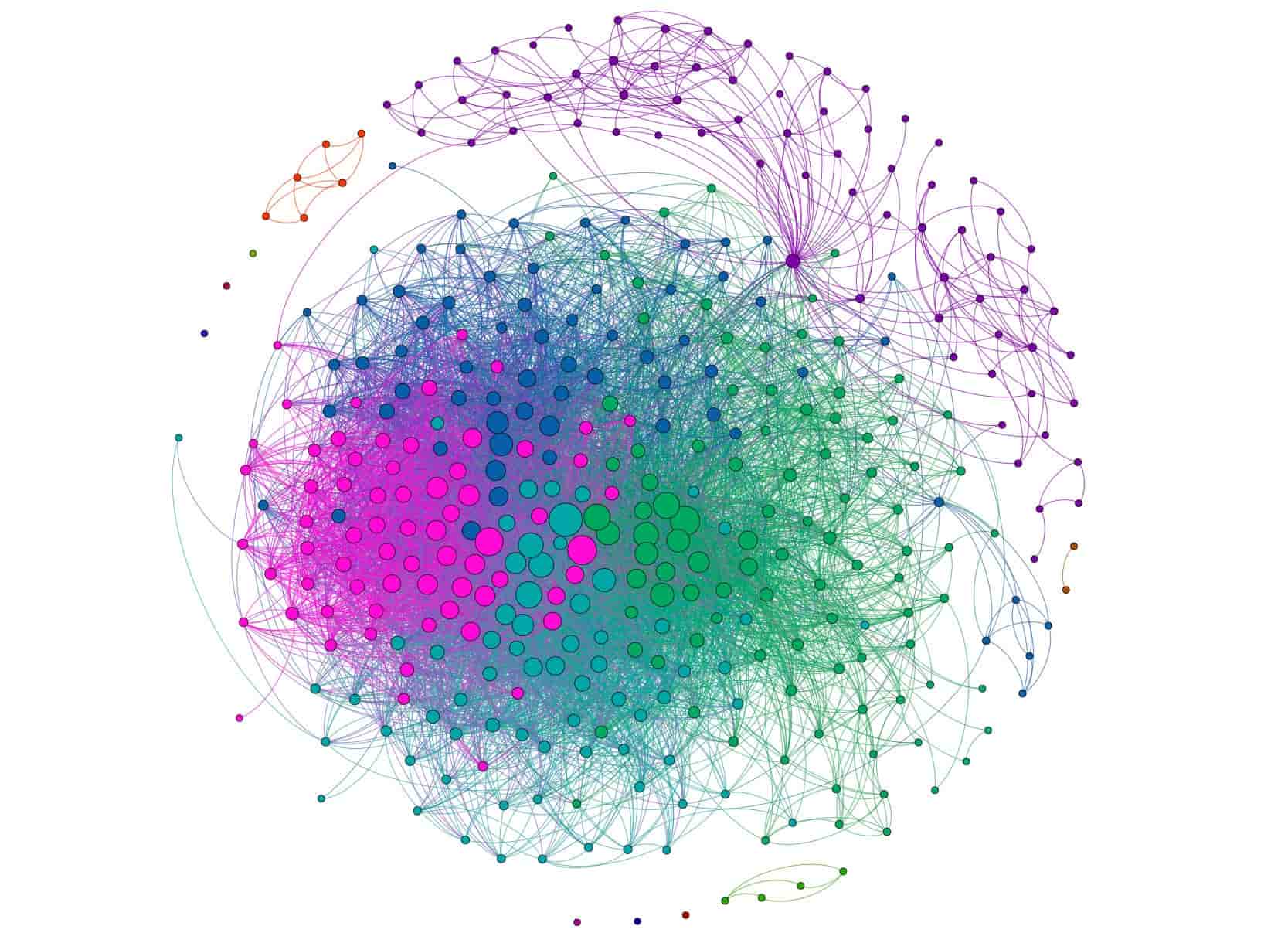
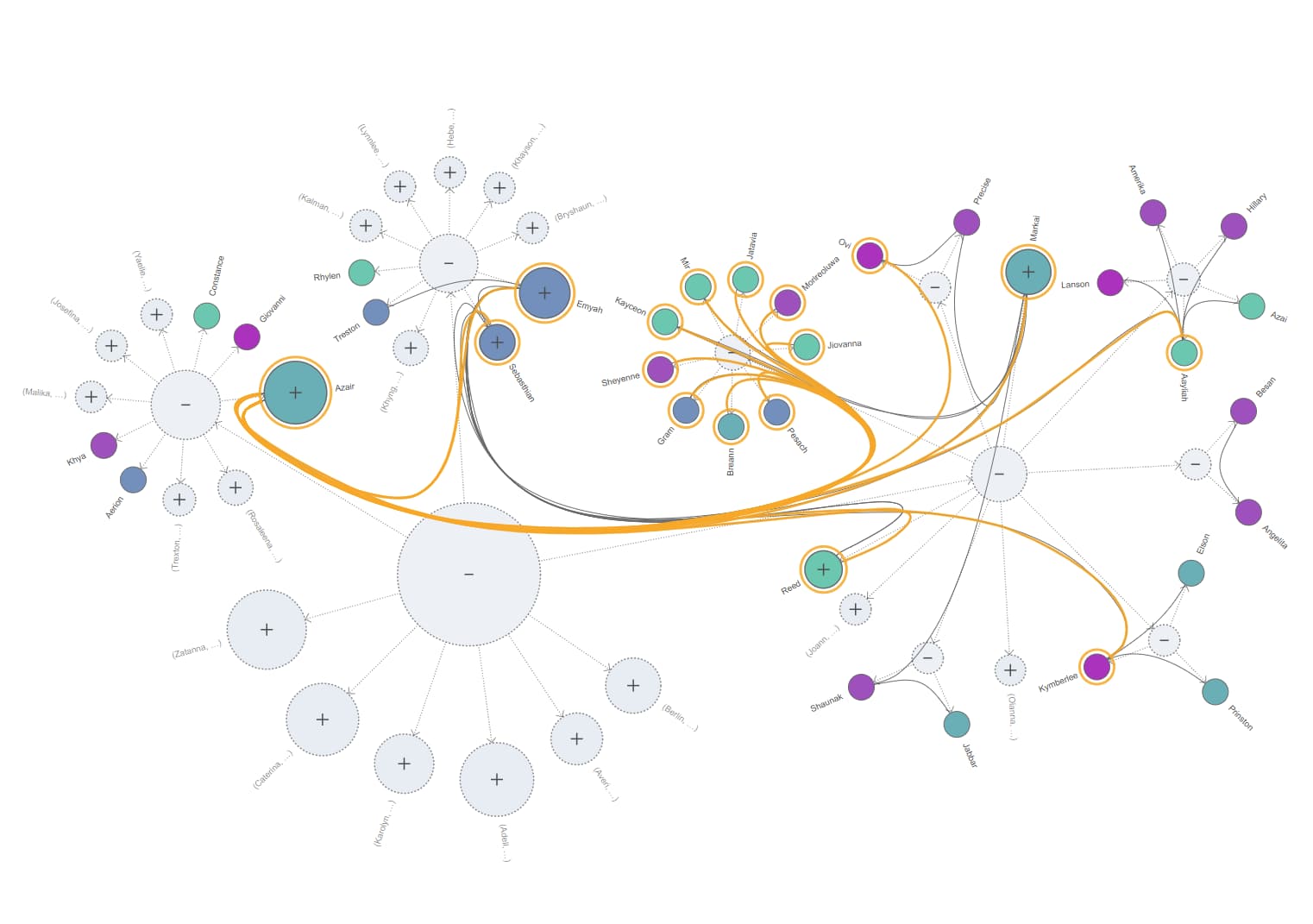
Analysis is grounded in a structured financial knowledge graph encoding instruments, counterparties, and jurisdictions — retrieved via formal graph traversal, not semantic similarity.
Graph RAG Architecture
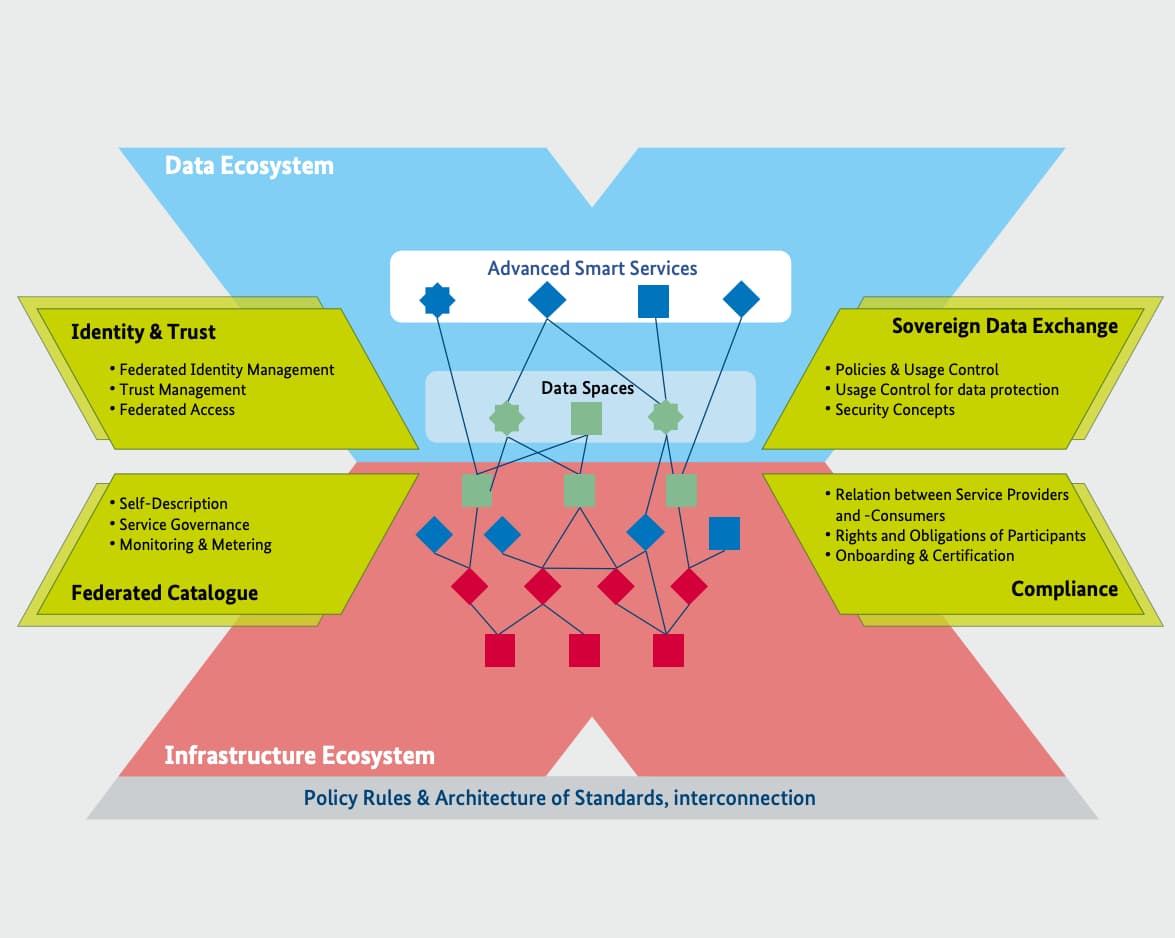
Every model, inference call, and log runs entirely within your infrastructure. No data leaves your perimeter, and encryption keys stay under your control.
Zero External API Calls
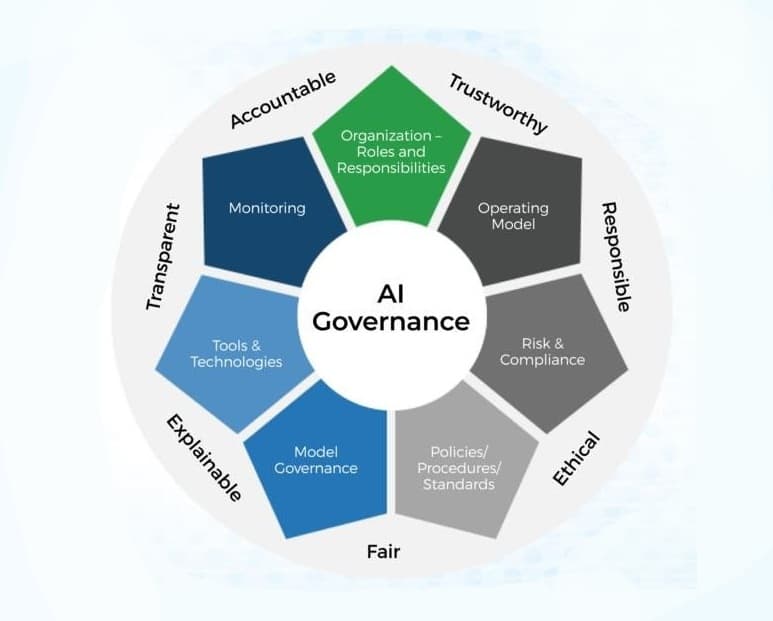
Cryptographically sealed audit trails capture every decision, data source, and model version in real time — governance as a live system property, not a periodic review.
Immutable Decision LedgerWe work with a small number of financial institutions at any given time. This is a commitment to depth, not a capacity constraint. Each engagement is designed from first principles around your regulatory environment, your data architecture, and your specific risk and compliance requirements.

Engagements begin with a focused technical conversation. No sales process. No pitch deck. No commercial obligation. Tell us about the problem, the regulatory context, what you have already attempted, and what the failure mode was. If there is a genuine fit, we will both know quickly. If not, we will tell you directly and help you understand what type of partner would serve you better.
A single technical conversation covering your regulatory environment, data landscape, existing system architecture, and the specific failure modes you are trying to solve. No NDAs required to start. No commercial pressure throughout.
Get in Touch