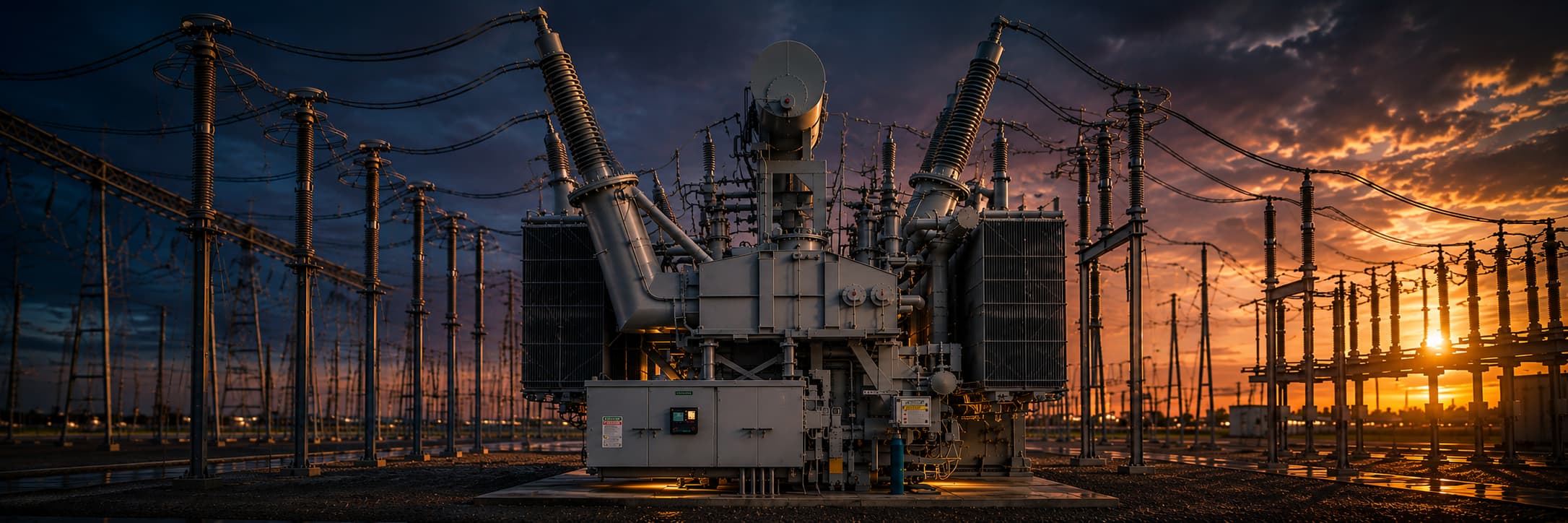


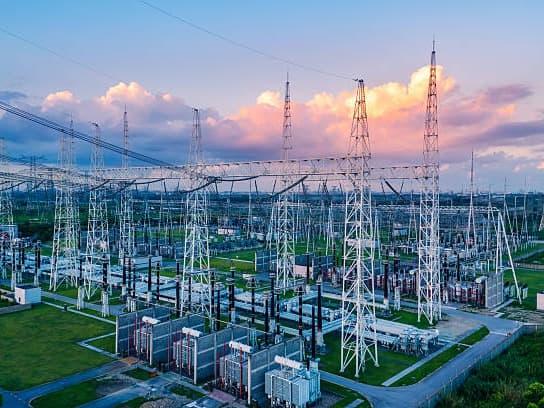

















































































Every blackout has a cost. Every inefficiency has a cause. And today, for the first time, we have the tools to find both before they find you.
Power infrastructure is the foundation on which everything else runs. Hospitals, factories, cities, data centres. When the grid is healthy, no one notices. When it fails, everyone does. The question leaders are asking is no longer whether AI can be applied to power systems, but how quickly it can be deployed before the next unplanned outage, the next transformer failure, the next regulatory audit that surfaces problems you did not know existed. The answer, for organisations that have moved early, is that the returns are not marginal. They are structural. AI-driven monitoring and predictive diagnostics have reduced unplanned downtime by measurable orders of magnitude across utilities in Europe, the Gulf, and Southeast Asia. The technology exists. The only variable is timing.
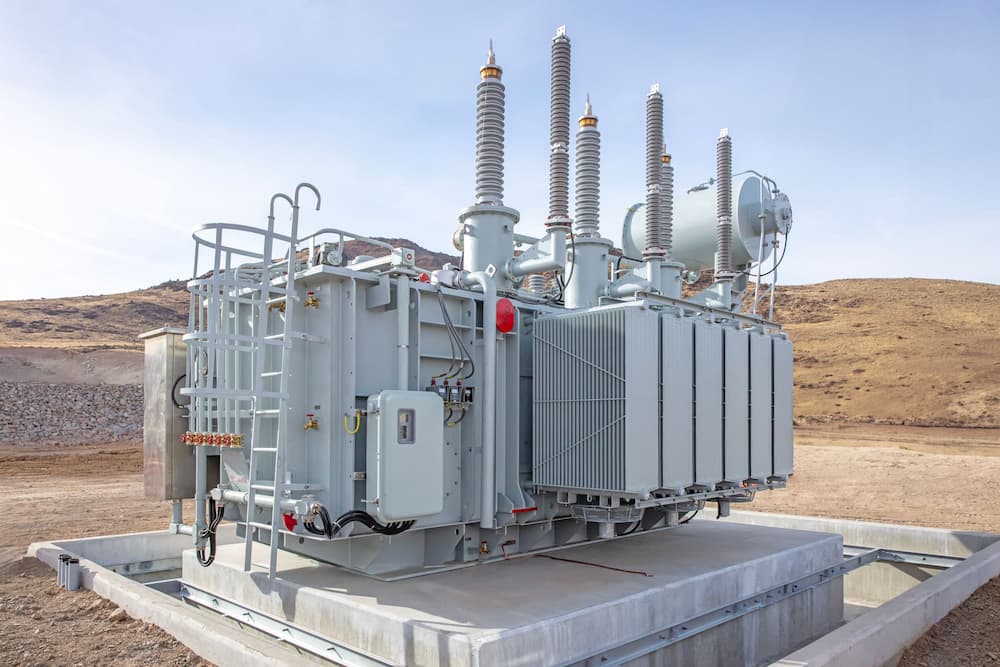
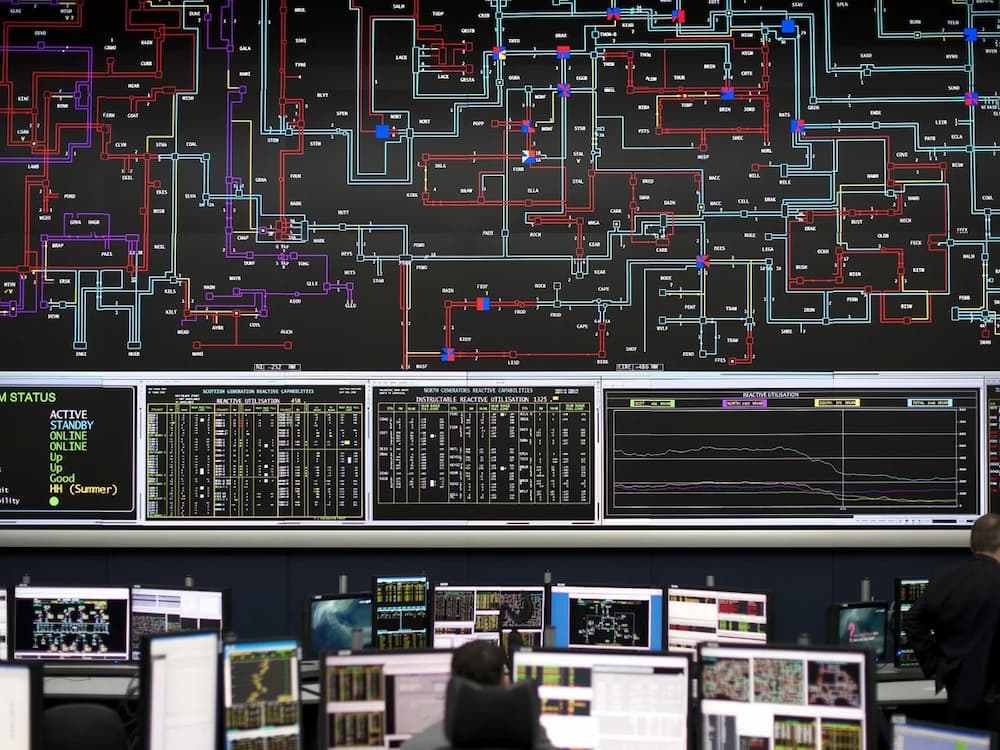
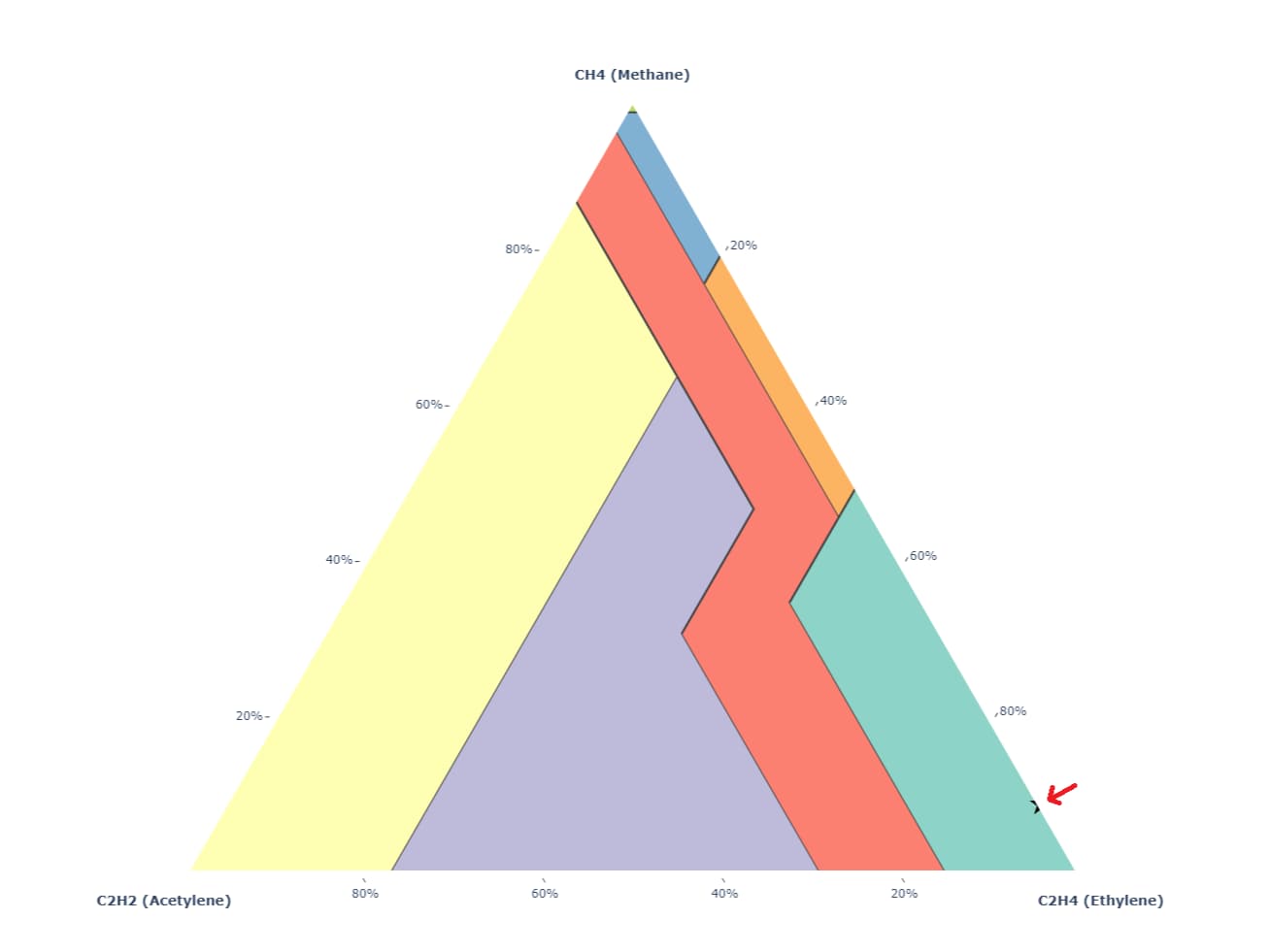
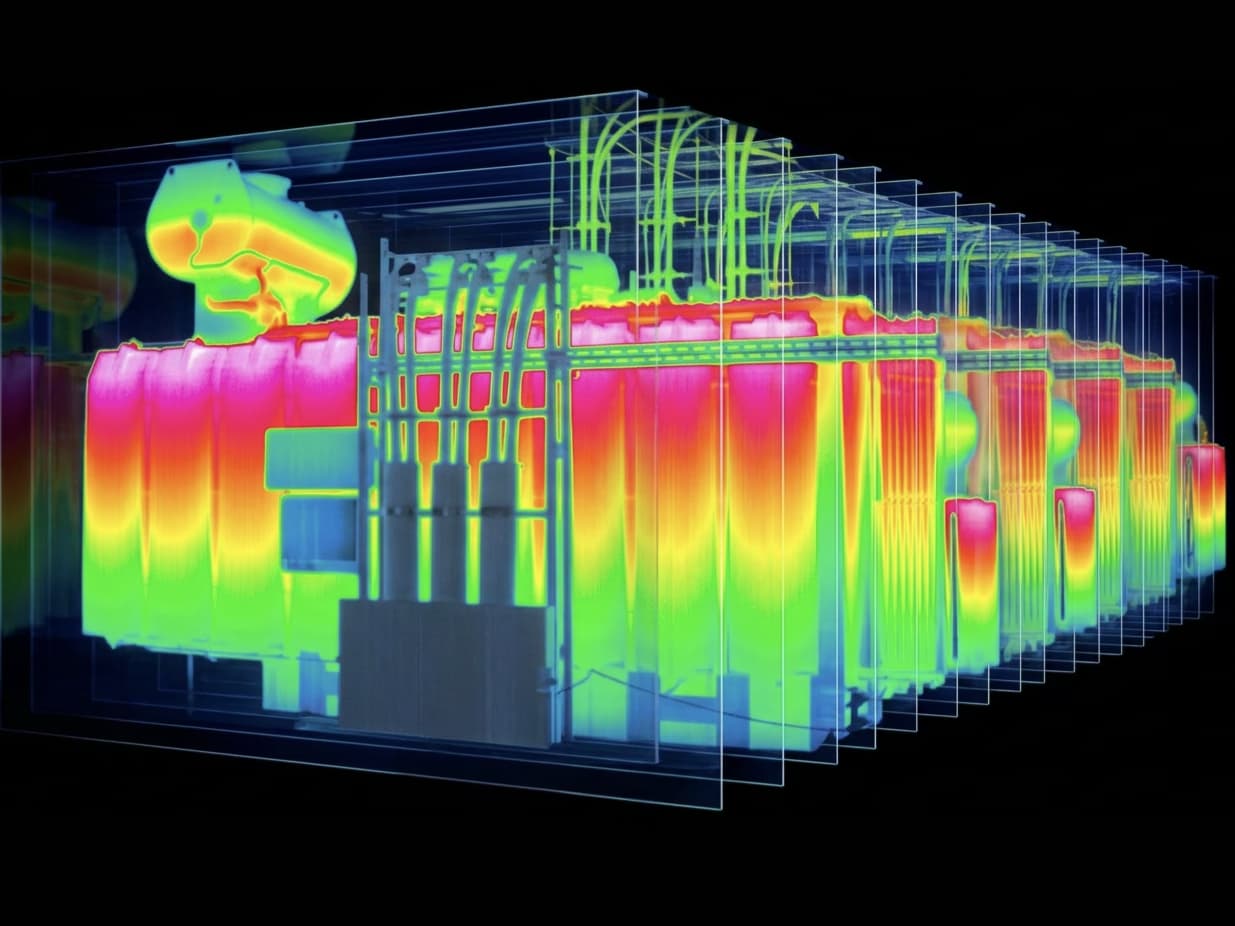
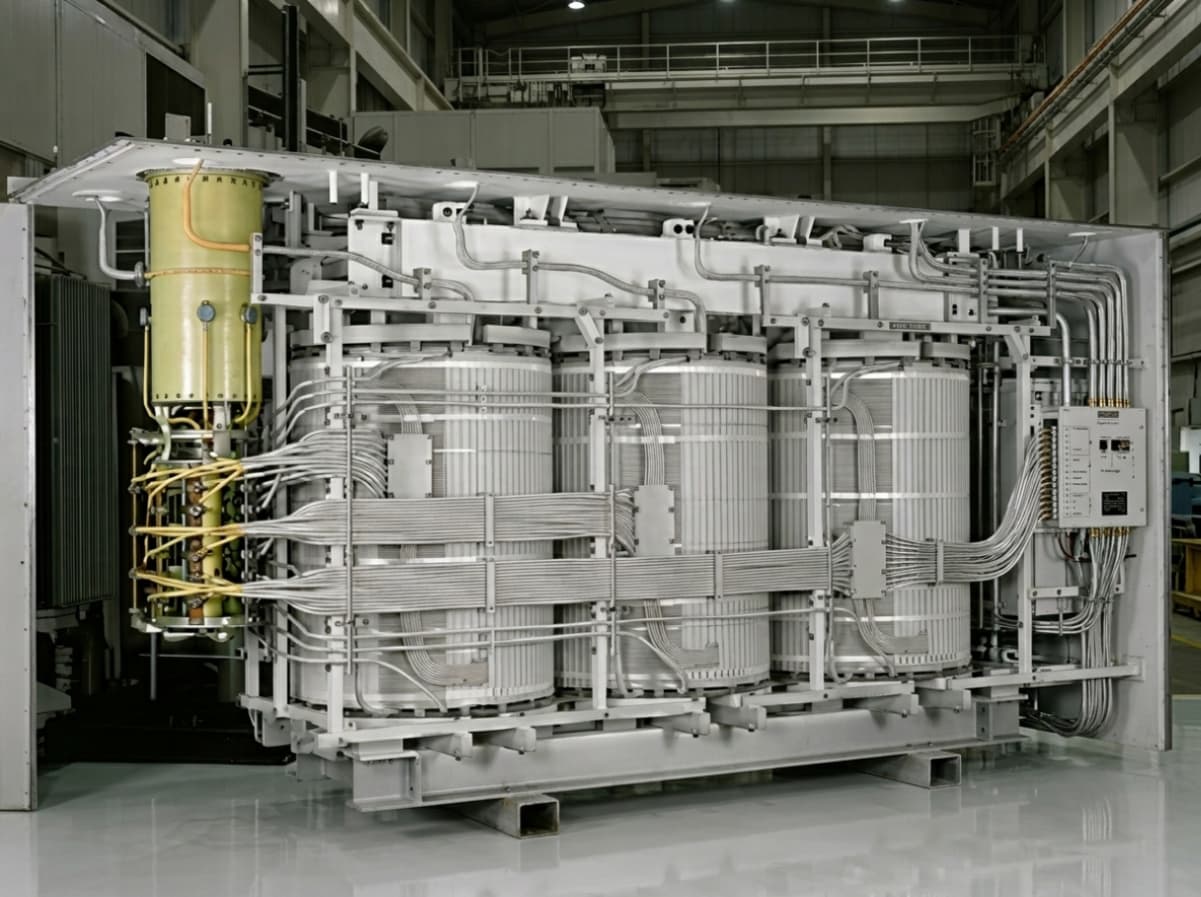
Beneath the operational surface, the physics of the grid is becoming harder to govern. The integration of variable renewable generation, distributed energy resources, and high-impedance loads has introduced oscillatory behaviours and inertia deficits that traditional SCADA and protection schemes were not designed to handle. Wide-area measurement systems generating phasor data at 30 to 120 samples per second produce volumes that no human analyst team can process in real time. Machine learning models trained on historical disturbance records and real-time synchrophasor streams can now detect inter-area oscillations, identify resonance risk, and flag protection miscoordination before a cascade develops. For transformer fleets, dissolved gas analysis interpreted through ensemble regression and anomaly detection provides an early-warning layer that extends asset life and defers capital expenditure that would otherwise consume a significant portion of a utility's annual budget.
At the control system layer, the architecture of AI integration requires careful engineering. Inference pipelines must operate within latency budgets compatible with protection relay time constants, typically sub-100-millisecond for critical fault detection applications, while remaining isolated from operational technology networks in ways that satisfy IEC 62351 and NERC CIP security requirements. Model drift under distribution shift, caused by seasonal load changes, network topology switching, or new generation interconnections, must be managed through online learning frameworks or scheduled retraining pipelines with versioned rollback capability. The interface between probabilistic AI outputs and deterministic relay logic demands formally verified translation layers, not heuristic thresholds. These are not implementation details to be resolved after deployment. They are architectural constraints that define whether an AI system in a power environment is genuinely operational or merely a demonstration running parallel to the real infrastructure.