Every delivery carries a real cost, revenue, and SLA deadline, tracked independently for both fleets, so the panel above shows a genuine dollar-for-dollar comparison as the run plays out.
Live economics. Cost per delivery, revenue, and SLA compliance tracked in real time for both fleets, side by side.
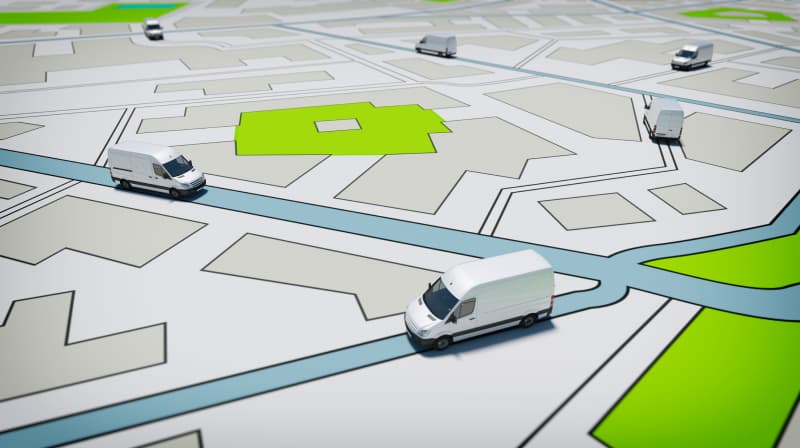
Instant reroute. When a road closes, the swarm routes around it immediately. Static dispatch waits for its next scheduled re-plan.
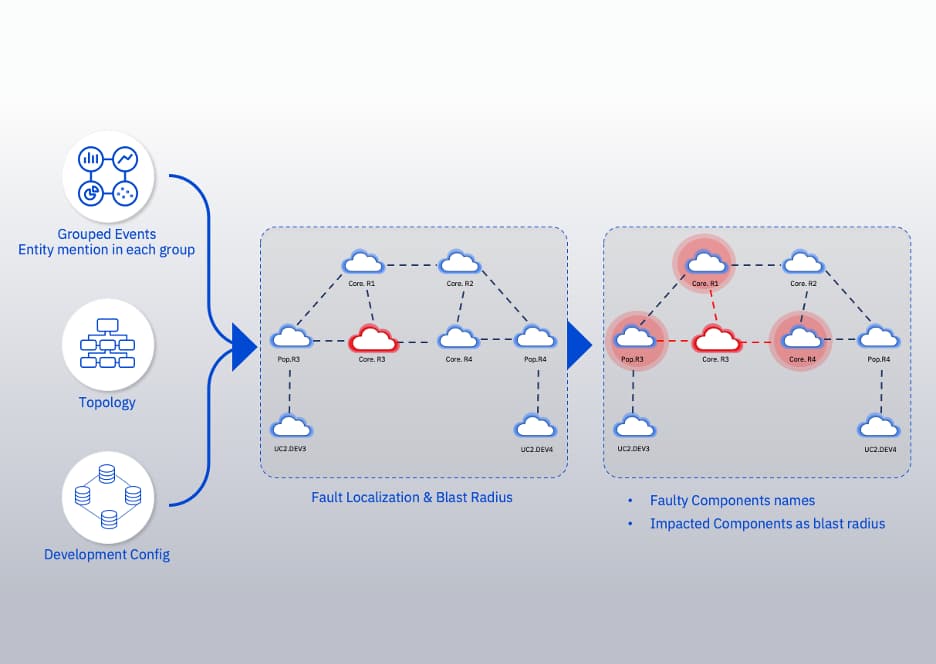
No single point of failure. Every zone has multiple paths home, so one closure can't strand a delivery, only reroute it.
Why it matters now
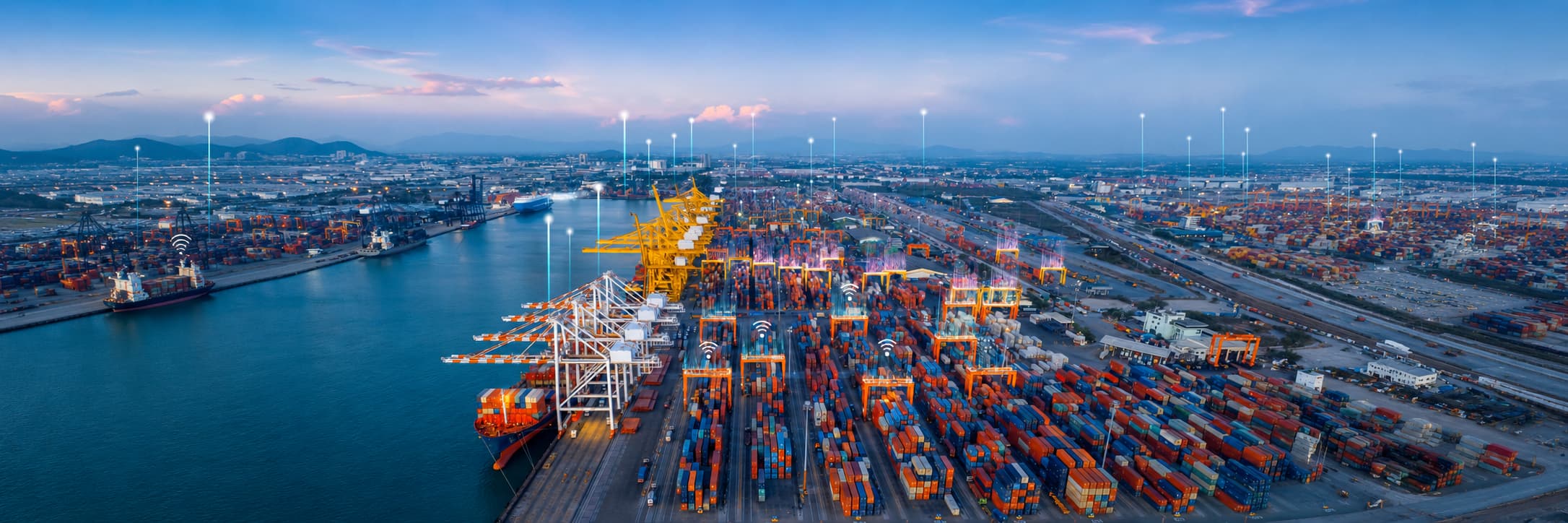
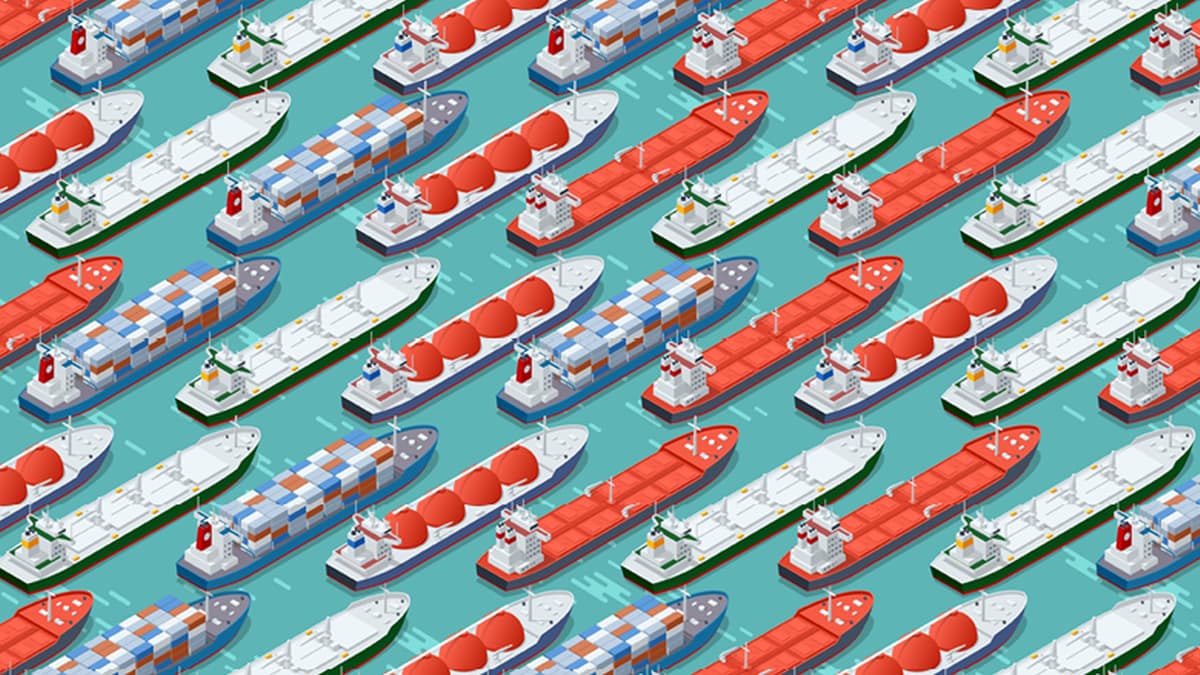
The Strait of Hormuz is the real-world version of the road closure above. When a chokepoint is threatened, fleets on fixed routes stall until someone replans them, often hours or days later. A swarm reroutes itself continuously, the moment a path degrades, with no dispatcher and no waiting for the next planning cycle.
This simulation is not just a visual metaphor: it models a genuine operational choice that logistics and supply chain operators face today, and the Strait of Hormuz situation is a clean example of exactly the conditions it was built to demonstrate. When a chokepoint like Hormuz comes under threat, whether from military tension, tanker seizures, or insurance and shipping restrictions, the routes that a centrally planned logistics network assumed were stable can become unusable with little or no warning. A static dispatch system, which only re-plans on a fixed schedule, has vehicles and vessels effectively committed to routes that may no longer be viable, and the organization only discovers the disruption's full impact once the next planning cycle runs, which in real fleets can mean hours or days of stranded cargo, missed delivery windows, and cascading delays downstream. A swarm-style system, by contrast, is built on the premise that individual routing decisions happen continuously and locally, so alternate paths, ports, or corridors get reinforced in near real time as soon as agents (or in a real deployment, ships, trucks, or planning nodes) detect that a route is degraded or closed, without waiting for a central authority to recompute an entire network plan. That is precisely the kind of resilience an energy, shipping, or defense-adjacent logistics operator would want when a critical corridor is suddenly contested: the ability for a distributed fleet to reroute itself continuously rather than depend on a planner reacting after the fact. The practical use case for this simulation, then, is as a decision-support and pitch tool for exactly that conversation, helping a logistics director or government client see, concretely, what it would look like to have routing intelligence that survives a Hormuz-style shock instead of freezing until someone tells it what to do next.