The standard model for enterprise AI is broken. It asks you to send your most sensitive data: your legal strategies, your proprietary engineering designs, your patient records, your citizen intelligence, to a model hosted on infrastructure you do not control, operated by a vendor whose incentives, roadmap, and jurisdiction are not your own. That model is convenient. It is also, for an increasing number of critical applications, unacceptable. We take a different position. The AI systems that handle your most consequential decisions should run entirely within your perimeter: on your hardware, in your jurisdiction, under your governance. Not as an aspiration. As an architectural requirement. This is what we mean by Sovereign AI. And it is the only way we build.
The risk is not theoretical. Peer-reviewed research consistently demonstrates that large language models memorize and can reproduce verbatim fragments of their training and fine-tuning data, including personally identifiable information, legal text, and proprietary documents. When your data is used to fine-tune or augment a hosted model, it does not remain isolated. The boundary between your input and the model's learned state is not guaranteed. You do not control what is retained, what is surfaced to other query sessions, or what becomes extractable through adversarial membership inference attacks against a black-box API. The collapse of the EU-US Data Privacy Framework, enforcement actions already levied by data protection authorities in Italy, France, Austria, and Finland, and the binding obligations of the EU AI Act have collectively created a legal landscape in which standard cloud AI architectures are non-compliant across dozens of jurisdictions. This is no longer a future risk to be managed. It is a present liability that demands an architectural response, not a contractual one.
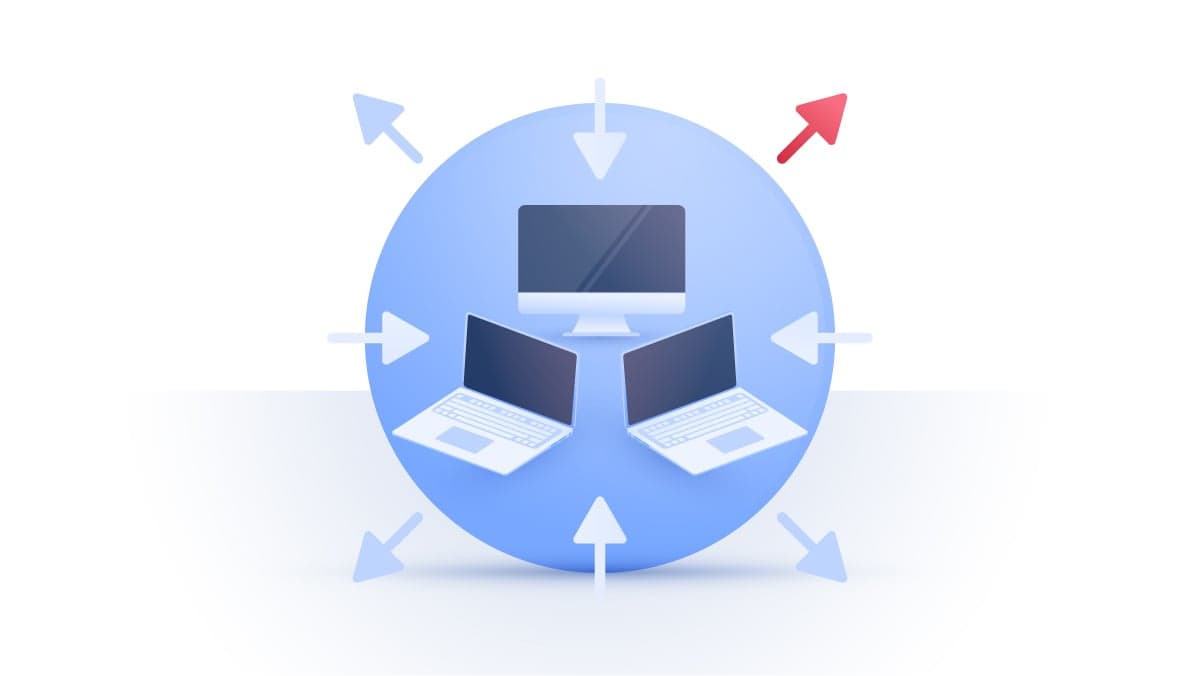
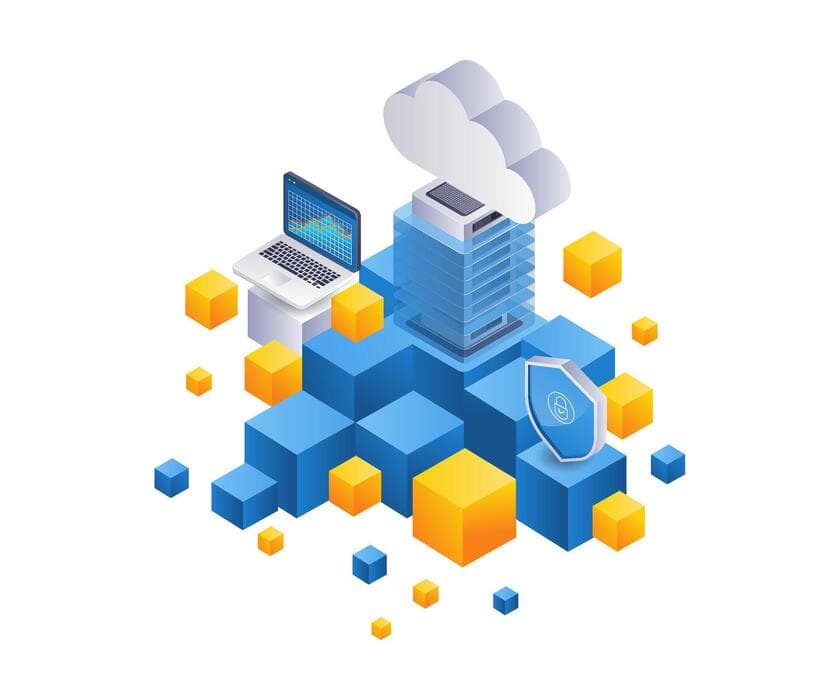
Our architecture eliminates the exposure at the infrastructure level. We deploy open-source model stacks on hardware you own or lease, in facilities under your physical and legal control, with cryptographic key custody held exclusively by your organization. No inference input, no output, no embedding, no retrieval query, and no audit event crosses a boundary you did not define. Every agent action and every model decision is written to a tamper-evident, hash-chained audit log that satisfies the evidentiary standards of regulated industries and can be interrogated without vendor involvement. The governance is not a policy document layered on top of an architecture. It is enforced at runtime, at the infrastructure level, by design.
Six non-negotiable conditions. No exceptions. No compromises.
The term "private AI" is increasingly used to describe systems that still phone home. A model that runs on a private cloud but sends telemetry to a vendor. An API that logs usage patterns externally. An orchestrator that leaks your metadata. That is not private. That is supervised. Our definition is precise and non-negotiable.


Our commitment to open source is not ideological. It is practical. When we hand you a Private AI system, we hand you a stack you can inspect at every layer: the model weights, the training code, the orchestration logic, the graph schemas, the observability pipelines. All of it.
You cannot audit what you cannot see. A proprietary model or orchestrator is a black box. An open-source stack can be examined by your security team, your red team, your regulators. If there is a vulnerability, you can find it. If there is a backdoor, you would see it.
A proprietary vendor can change their pricing, deprecate a model, or go out of business. An open-source stack is yours forever. If we disappeared tomorrow, you could still operate, maintain, and extend the system. That is the point.
Proprietary systems are designed to make you dependent. Proprietary APIs, proprietary model formats, proprietary orchestration protocols. An open-source stack has no such barriers. You can take the system and run it yourself, hand it to another team, or build on it internally. It is your asset. Not ours.
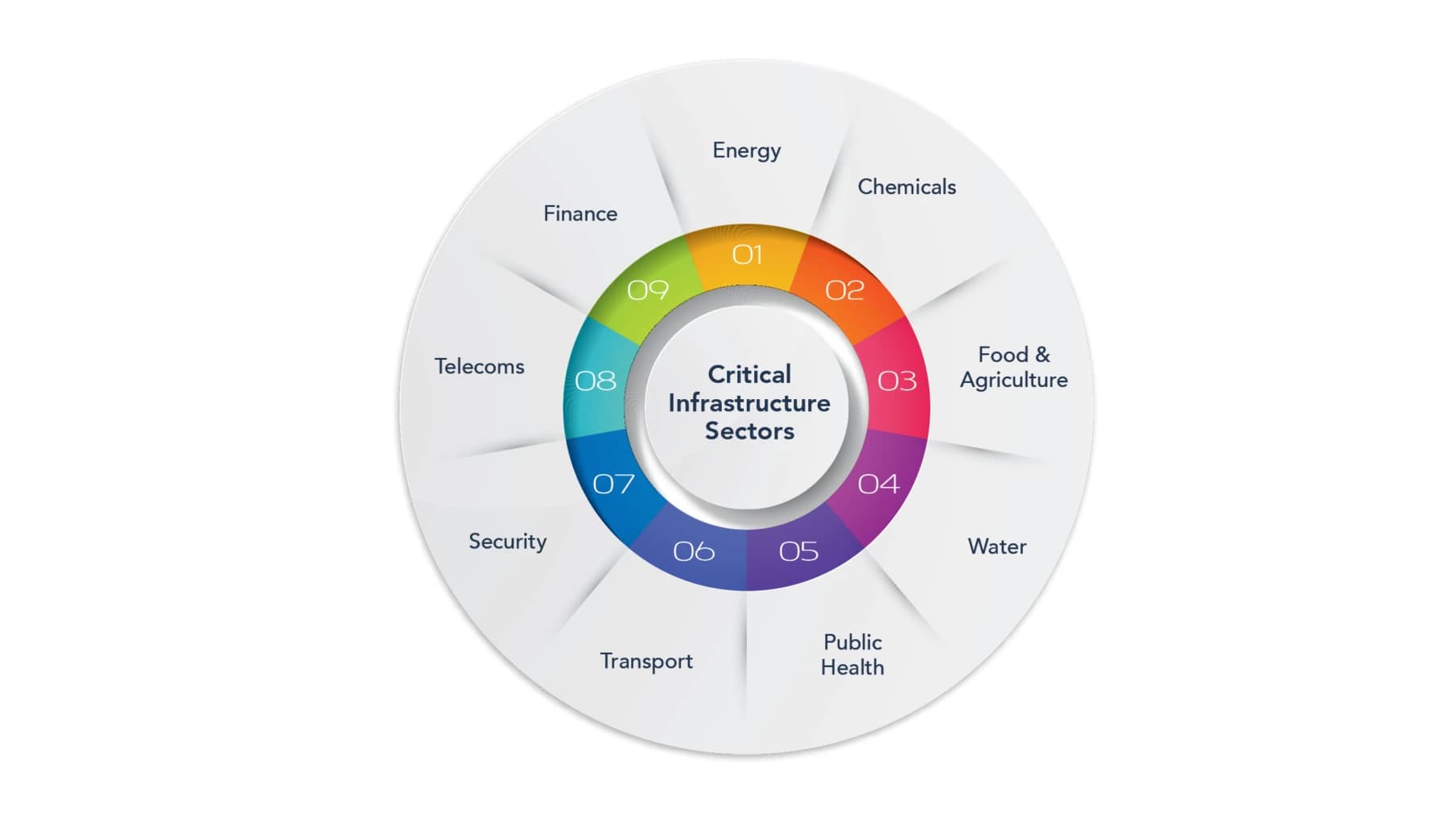
Six sectors where standard AI is not enough
Sovereign AI is not necessary for every use case. The threshold is defined by the consequences of getting it wrong. You need Sovereign AI if any of the following apply.


We map your existing infrastructure, security policies, regulatory requirements, and data landscape. We identify where the AI system will live, how it will connect to data sources, and what constraints govern its operation. This phase produces a detailed deployment architecture document, not a generic proposal.
We select and fine-tune the appropriate open-weight models for your domain. We construct or adapt your domain ontology. We configure the orchestration layer to your workflows and build the MCP connectors to your enterprise systems. Every component is tailored. Nothing is generic.
We deploy the full stack into your controlled environment using infrastructure-as-code. The deployment is repeatable, version-controlled, and auditable. We validate the deployment against the architecture document, confirm zero egress, confirm key sovereignty, and confirm air-gap integrity where required.
We run the system against your test cases, edge cases, and failure scenarios. We set up observability dashboards, audit log pipelines, and drift detection monitors. We work with your compliance and legal teams to ensure the governance framework satisfies their requirements.
We do not build and leave. We transfer full operational knowledge to your team through training sessions, documentation, runbooks, and architecture deep-dives. And we stay engaged as a long-term partner, providing ongoing support, model updates, and operational guidance as your AI maturity grows.